
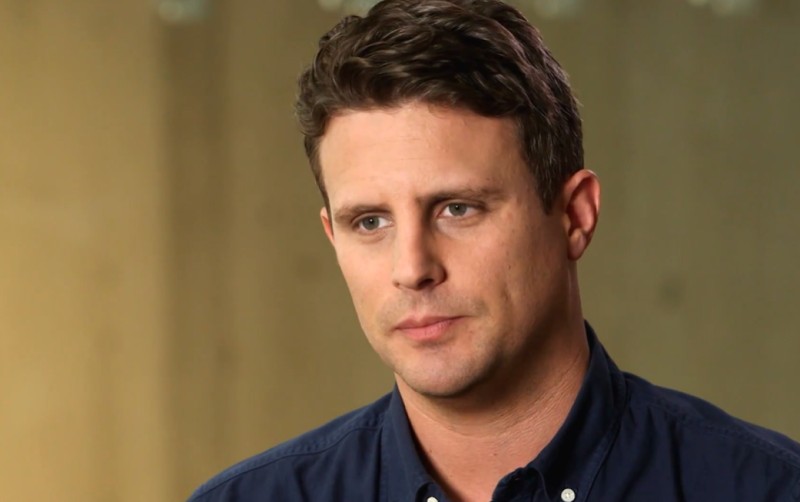
Michael Dubin is an American entrepreneur, marketer, investor, and creative executive. He is best known as the co-founder and former chief executive officer of Dollar Shave Club. The company changed the shaving market by offering affordable razor blades through a simple subscription service.
His rise became closely linked with a funny launch video released in 2012. He wrote and starred in the campaign, which brought thousands of orders within two days and turned a small company into a major name in online retail. After leading the business for about ten years, he stepped down as CEO in January 2021. He later focused on board work, startup advice, wildfire education, investment activity, and screenwriting.
Michael Dubin’s Age and Early Life
Michael Dubin was born in 1978 and is 47 years old as of July 2026. Some secondary sources give his birth date as August 19, 1978, which would mean he turns 48 on August 19, 2026. His full birth date has not been confirmed through a strong primary source. He grew up in Bryn Mawr, Pennsylvania, near Philadelphia, and showed an early interest in business. He attended The Haverford School from 1994 to 1997.
Michael Dubin Education and Creative Training
Michael Dubin studied history at Emory University from 1997 to 2001 and earned a Bachelor of Arts degree. In 2018, Emory awarded him an honorary Doctor of Humane Letters degree. He also delivered the university’s commencement speech.
Upright Citizens Brigade
From 2001 to 2009, he studied sketch comedy and improvisation at the Upright Citizens Brigade Theatre, learning timing, confidence, and audience awareness. Those lessons later shaped the Dollar Shave Club brand. The company spoke in a bold, friendly, and humorous voice.
Career Before Dollar Shave Club
After graduating, Michael Dubin entered the NBC Page Program in New York City. He later worked with NBC Nightly News and MSNBC, gaining experience in television production. He then moved into advertising, branded content, and digital marketing. His work included roles linked with Time Inc., Life magazine, Sports Illustrated for Kids, and consumer campaigns.
Before his biggest success, he created a travel-focused social platform called Leapfro.gs, but it failed to gain enough attention. He also applied to several business schools without success. These setbacks taught him that a good idea needs the right timing, a clear customer need, and strong execution.
How Michael Dubin Founded Dollar Shave Club
Meeting Mark Levine
The company began after Dubin met Mark Levine at a holiday gathering in 2010. Levine had access to razor blades, while Dubin brought experience in marketing, e-commerce, comedy, and video production. They saw a clear problem. Replacement blades were costly, stores often kept them behind locked cases, and large brands promoted features that customers did not always need. The founders created a service that sent fresh blades directly to members each month.
A Clear Business Model
Dollar Shave Club focused on fair prices, easy delivery, and a strong brand voice. Early plans began at a low monthly cost.
The Viral Video That Changed Everything
A $4,500 Campaign With Huge Results
In March 2012, the company released its famous launch video. Dubin walked through a warehouse while explaining the service with dry humour and simple language. The campaign cost about $4,500 and was filmed in one day. It brought about 12,000 orders during the first 48 hours. Heavy traffic also caused problems for the company’s website.
Why the Video Worked
The campaign explained the problem, showed the product, shared the price, and gave customers a clear reason to join. His comedy training helped the delivery, while the useful offer gave the company a memorable voice.
Growth Into a Major Grooming Company
Dollar Shave Club expanded beyond razor blades. It added shave butter, deodorant, skincare, haircare, dental products, wipes, and other personal care items. By 2016, the business had close to 3.2 million members and yearly sales near $200 million. Its success proved that an online brand could challenge large companies through a direct customer relationship. The business also created MEL, a culture and lifestyle publication focused on modern men’s lives.
The $1 Billion Unilever Acquisition
In 2016, Unilever bought Dollar Shave Club in a deal valued at $1 billion in cash. The sale became one of the best-known deals in the direct-to-consumer business world. Michael Dubin stayed with the company and continued as CEO. He helped guide product growth and a move into physical retail. He stepped down in January 2021. Jason Goldberger became the new chief executive. At that time, Dubin remained connected as a special adviser and board member.
Michael Dubin’s Wife and Personal Life
Dubin keeps his family life private. No trusted source has confirmed the name of a wife, a wedding date, or details about children. A 2021 business feature mentioned that he had a girlfriend at that time, but her name was not shared. His current relationship status remains private.
Work After Dollar Shave Club
SafeWoods
Dubin founded SafeWoods, a nonprofit project focused on wildfire education, forest care, and fuel reduction. The group helps people understand how land management can lower wildfire risk.
Board and Advisory Roles
He has served as an adviser to Liquid Death and held board roles with Madison Reed, Stance, and Papa John’s International. He joined the Aspen Institute’s Henry Crown Fellowship in 2022.
Screenwriting and Creative Work
In recent years, he has explored screenwriting. This path fits his long interest in comedy, media, and storytelling. The launch campaign that made him famous was both an advertisement and a short performance built on strong writing and timing.
Awards and Recognition
Michael Dubin was named an EY Entrepreneur of the Year and earned a place in Fortune’s 40 Under 40. His work has also been connected with honours from Ad Age, the Webby Awards, the Shorty Awards, and the CLIO Awards.
Michael Dubin and Wikipedia
He does not have a separate English Wikipedia biography. His name directs users to the Dollar Shave Club page, which covers the company’s founders, products, growth, marketing, and sale to Unilever.
Final Thoughts
Michael Dubin built his success by combining business sense, humour, and a strong understanding of customers. The viral video opened the door, but the company grew because it offered value, convenience, and a clear identity. His journey includes failed ideas, creative training, rapid business growth, and a billion-dollar company sale. His later work in investing, board service, wildfire education, and screenwriting shows that he continues to build beyond the brand that made him famous.